

The Himalayas have long captured the imagination of travelers, trekkers, and spiritual seekers. While routes like Everest Base Camp and Annapurna Circuit dominate global attention, there exist quieter, more pristine trails that offer a deeper connection with nature and culture. Among these, the Manaslu Circuit Trek and the Tsum Valley Trek stand out as extraordinary journeys into Nepal’s remote highlands. These treks combine raw natural beauty, rich cultural heritage, and a sense of isolation that is increasingly rare in modern travel.
Introduction to the Region
Located in the Gorkha district of Nepal, the Manaslu region lies near the border with Tibet. It is named after Mount Manaslu, the eighth-highest mountain in the world, standing at 8,163 meters. This area remained restricted to foreign trekkers until the early 1990s, which has helped preserve its unique environment and traditions.
The Manaslu Circuit Trek encircles the majestic peak, while the Tsum Valley branches off from the main trail, leading into a sacred Himalayan valley known for its ancient monasteries and Tibetan-influenced culture. Together, these treks offer a comprehensive Himalayan experience that blends adventure with spirituality.
Manaslu Circuit Trek: A Journey Around the Mountain
The Manaslu Circuit Trek is often described as a quieter alternative to the Annapurna Circuit, but it is no less spectacular. The trek typically takes 14–18 days and covers a wide range of landscapes—from subtropical forests and terraced fields to alpine meadows and glacial valleys.
Scenic Diversity
One of the most compelling aspects of the Manaslu Circuit is its dramatic variation in scenery. The trek begins in lowland villages surrounded by lush greenery and gradually ascends into rugged terrain with snow-capped peaks dominating the skyline. Trekkers cross suspension bridges over roaring rivers, pass through dense forests of rhododendron and pine, and encounter waterfalls cascading down steep cliffs.
As the altitude increases, the landscape becomes more barren and striking, offering panoramic views of Himalayan giants including Manaslu, Himalchuli, and Ganesh Himal.
Larkya La Pass: The Ultimate Challenge
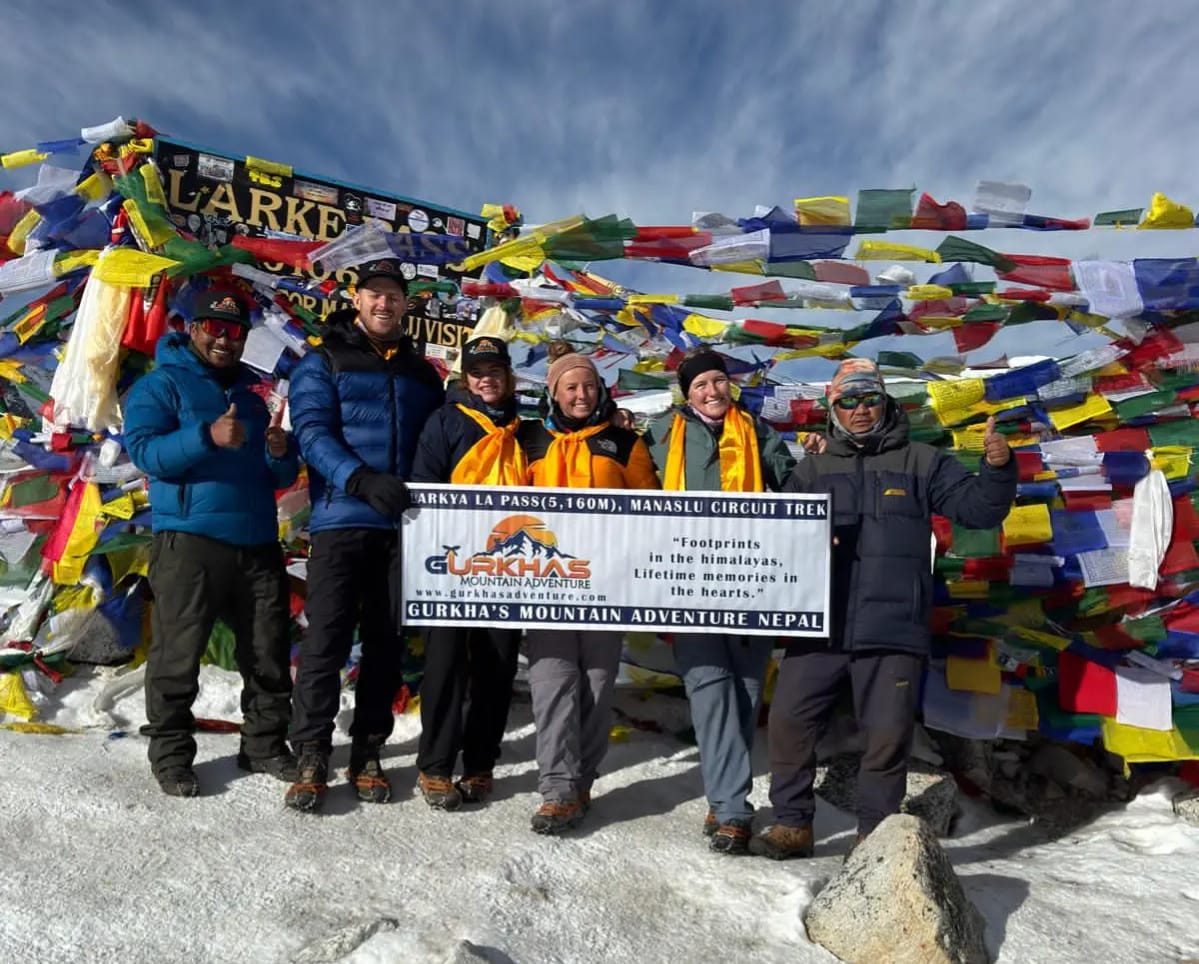
The highlight of the Manaslu Circuit Trek is crossing the Larkya La Pass, which sits at an altitude of 5,106 meters. This is one of the longest and most dramatic passes in the Himalayas. The ascent is physically demanding, but the reward is unmatched—stunning views of glaciers, peaks, and vast mountain expanses.
Crossing the pass requires proper acclimatization and physical preparation, making this trek suitable for moderately experienced trekkers.
Cultural Encounters
The region is home to diverse ethnic groups, including Gurung and Tibetan communities. As trekkers move higher, the culture becomes increasingly influenced by Tibetan Buddhism. Prayer flags, mani walls (stone inscriptions), and monasteries are common sights along the trail.
Villages like Samagaon and Samdo offer insight into traditional Himalayan lifestyles, where people live in harmony with harsh environmental conditions.
Tsum Valley Trek: A Sacred Himalayan Sanctuary
The Tsum Valley Trek is often combined with the Manaslu Circuit, but it can also be explored as a separate journey. This hidden valley was opened to trekkers only in 2008, making it one of Nepal’s least explored trekking regions.
Spiritual Significance
Tsum Valley is considered a sacred pilgrimage site in Tibetan Buddhism. It is believed to have been a place of meditation for Buddhist saints, including Milarepa. The valley is dotted with ancient monasteries such as Mu Gompa and Rachen Gompa, which serve as spiritual centers for local communities.
The atmosphere here is deeply spiritual, offering trekkers a chance to disconnect from the outside world and experience inner reflection.
Unique Culture and Traditions
The people of Tsum Valley, known as Tsumbas, have preserved their traditions for centuries. Polyandry (a woman having multiple husbands) was historically practiced here, and many ancient customs still exist today.
Unlike more commercial trekking routes, Tsum Valley remains largely untouched by modernization. This authenticity is one of its greatest attractions.
Natural Beauty
The valley is surrounded by towering peaks such as Ganesh Himal, Sringi Himal, and Boudha Himal. The terrain includes fertile farmland, deep gorges, and high mountain passes. The biodiversity is also notable, with opportunities to spot rare wildlife like Himalayan thar and blue sheep.
Combining Manaslu Circuit and Tsum Valley
Many trekkers choose to combine these two treks into a single extended journey lasting around 20–24 days. This combination provides the best of both worlds—adventure and spirituality.
The route typically diverges from the Manaslu Circuit at Lokpa, leading into Tsum Valley before rejoining the main trail. This allows trekkers to experience the secluded beauty of Tsum Valley without missing the iconic Larkya La Pass.
Permits and Regulations
Both treks fall within restricted areas, meaning special permits are required. Trekkers must travel with a licensed guide and in a group of at least two people.
Required permits include:
- Manaslu Restricted Area Permit (MRAP)
- Tsum Valley Restricted Area Permit
- Annapurna Conservation Area Permit (ACAP)
- Manaslu Conservation Area Permit (MCAP)
These regulations help preserve the region’s fragile ecosystem and cultural heritage.
Best Time to Trek
The ideal seasons for both treks are:
- Spring (March to May): Clear skies, blooming rhododendrons, and moderate temperatures.
- Autumn (September to November): Stable weather, excellent visibility, and comfortable trekking conditions.
Winter treks are possible but challenging due to snow at high passes, while the monsoon season brings heavy rainfall and landslides.
Difficulty Level and Preparation
Both treks are considered moderately to highly challenging. Trekkers should be physically fit and prepared for long days of walking, steep ascents, and high altitudes.
Preparation tips include:
- Cardiovascular training (hiking, running, cycling)
- Strength training for legs and core
- Acclimatization awareness to prevent altitude sickness
- Proper gear including layered clothing and trekking boots
Accommodation and Food
Accommodation along the trails is primarily in teahouses—basic lodges run by local families. Rooms are simple, often with shared bathrooms, but they provide warmth and hospitality.
Meals typically include:
- Dal Bhat (rice, lentils, vegetables)
- Noodles and soups
- Tibetan bread and pancakes
- Tea and coffee
As you ascend, food options become more limited, and prices increase due to transportation challenges.
Why Choose These Treks?
In an era where many trekking routes are crowded and commercialized, the Manaslu Circuit and Tsum Valley offer something different—authenticity, solitude, and a deeper connection to the Himalayas.
Key reasons to choose these treks:
- Less crowded compared to Everest and Annapurna
- Rich cultural and spiritual experiences
- Diverse landscapes and dramatic scenery
- A sense of exploration and discovery
Conclusion
The Manaslu Circuit Trek and Tsum Valley Trek are more than just physical journeys—they are transformative experiences. They take you through some of the most untouched regions of Nepal, where nature remains wild and culture remains deeply rooted in tradition.
Whether you are seeking adventure, cultural immersion, or spiritual reflection, these treks offer it all. They challenge your body, enrich your mind, and leave you with memories that last a lifetime.