

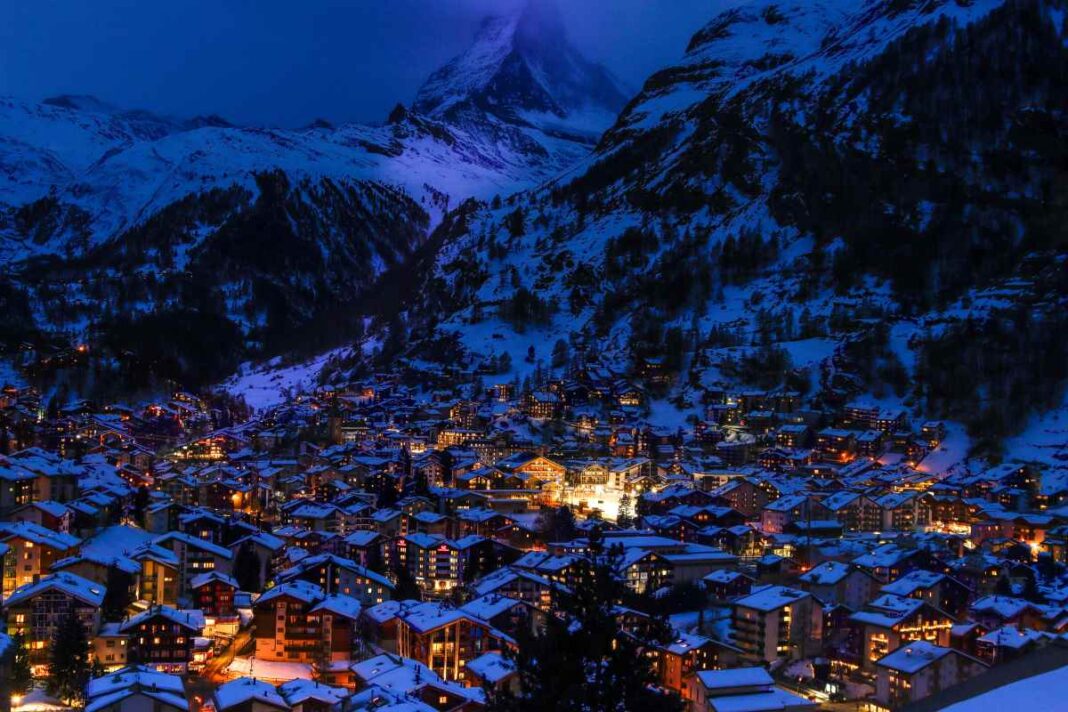
Winter in Italy has two very different identities. One belongs to the north, where snow turns the Alps into a playground for sports and design-driven hospitality. The other belongs to the coast, where the Mediterranean slows down, the crowds disappear, and the country’s everyday rhythm returns.
Choosing between them isn’t about right or wrong — it’s about what kind of traveller you are.
The Northern Option: Precision and Energy
Italy’s mountains offer one of Europe’s best-developed winter networks. The Dolomites, Aosta Valley, and Lombardy Alps combine modern infrastructure with a sense of tradition that still feels alive. The ski lifts run efficiently, the pistes are diverse, and even small towns invest heavily in food and comfort — especially in resorts like Cervinia, where long, high-altitude runs and a naturally sunny basin make the area a favorite for travelers who stay in a premium luxury hotel in Cervinia as part of the full alpine experience.
Cortina d’Ampezzo, often called the “Queen of the Dolomites,” remains the reference point for style. It’s polished but not inaccessible. You can spend a day skiing, and in the evening find restaurants that treat local ingredients — speck, wild mushrooms, mountain cheeses — with the same seriousness as Milan treats fashion.
For a more low-key experience, regions like Trentino or Abruzzo are excellent value. Slopes are smaller but friendly, and local operators focus on consistency rather than luxury. Mountain hotels have quietly evolved too: many now mix Scandinavian-influenced design with Italian warmth, offering spa facilities and understated comfort.
Even for non-skiers, the mountains are worthwhile. There are national parks, frozen lakes, and small towns where life continues year-round. Winter here isn’t only about sport; it’s about precision, rhythm, and the pleasure of function meeting beauty.
The Coastal Alternative: Space and Perspective
Down on the coast, the mood changes completely. When the tourists leave, Italy’s shoreline becomes surprisingly local. Shops reopen for residents, fishermen return to work, and the country’s famous beaches become long, open stretches of perspective rather than performance.
Liguria’s villages, Puglia’s southern bays, and Sicily’s coastal towns all stay mild through winter. The temperature might sit around 15 °C, but the real draw isn’t the weather — it’s the access. You can explore places that are usually packed without waiting in line, drive coastal roads without traffic, and see how these regions function when they’re not entertaining millions of visitors.
Cities like Naples, Bari, and Palermo also benefit from the season. Markets run on local demand, museums are easier to navigate, and hotel prices drop significantly. For those who want relaxation without isolation, several seaside resorts in Italy remain open all year. They’re used by domestic travellers who prefer quiet schedules, reliable service, and sea views that don’t depend on summer heat.
Winter at the coast isn’t about lying on the beach — it’s about the freedom of having it to yourself.
Comparing Experiences
The mountains deliver activity and structure: days built around runs, lifts, and logistics. The coast offers flexibility — days shaped by curiosity and chance. In the north, you plan. In the south, you improvise.
Costs also differ. Mountain destinations in peak season can be expensive, especially around Christmas and February holidays. Coastal stays, on the other hand, are far more accessible during winter months. Even high-end hotels reduce rates, and internal flights within Italy are inexpensive, making it easy to switch regions if the weather changes.
Transport plays a role too. Northern regions are well connected by train — Milan to Bolzano or Turin to Courmayeur take only a few hours. Coastal routes rely more on regional airports and car hire, but the payoff is flexibility. You can combine visits to historic towns with time by the sea, something difficult to do in the Alps once the snow season starts.
The Verdict
Both Italies — the alpine and the maritime — represent the country at its best. One is disciplined and engineered, the other open and instinctive. The choice depends less on temperature than on temperament.
If you want momentum, efficiency, and the satisfaction of clear goals, go north. If you want openness, local contact, and a slower sense of discovery, head to the coast.
Either way, winter no longer means compromise.